
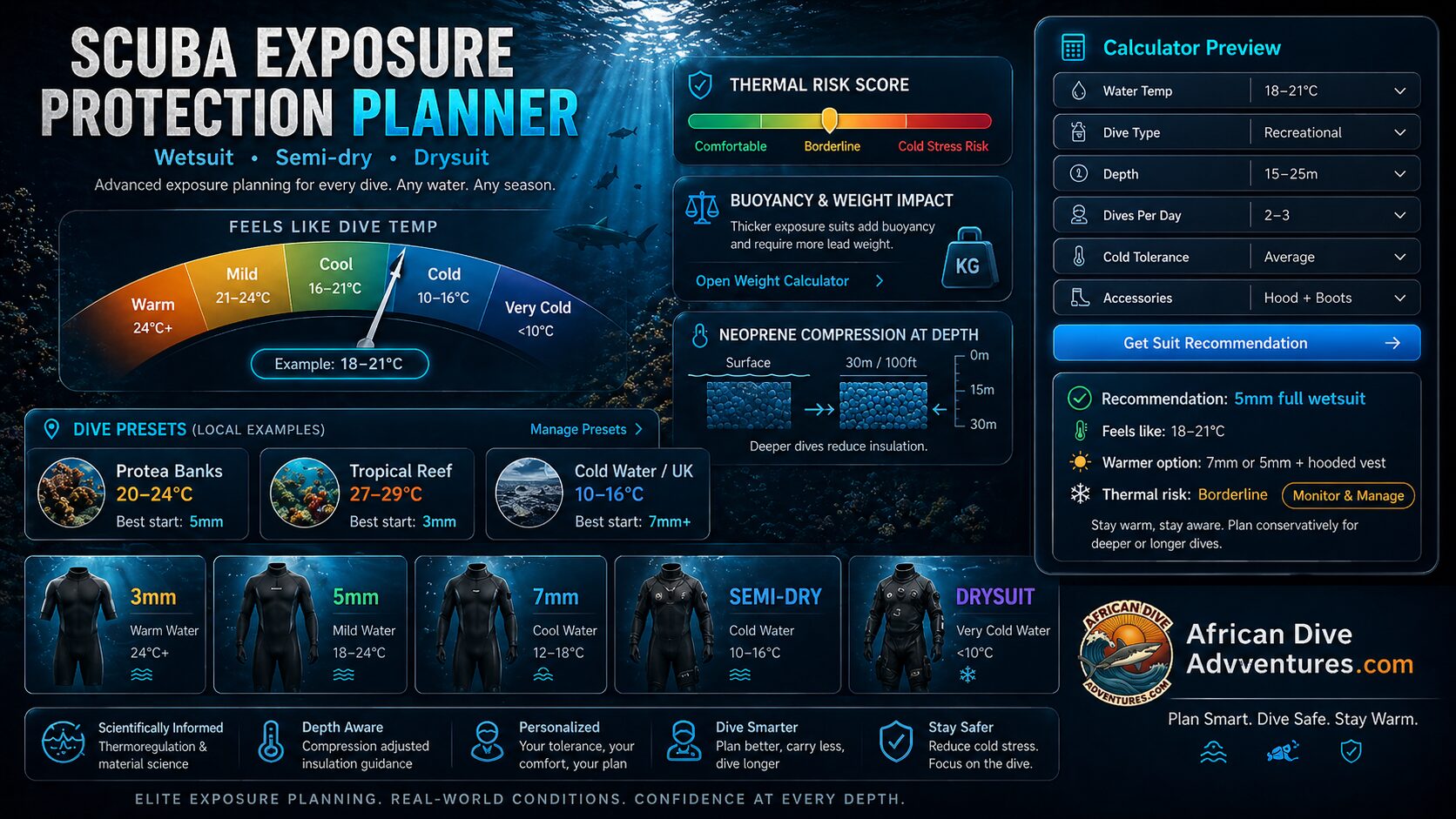
Scuba Exposure Protection Planner
Plan your exposure protection using water temperature, depth, dive type, repetitive dives, accessories and personal cold tolerance.
Enter Your Dive Conditions
24°C+
21–24°C
16–21°C
10–16°C
<10°C
Thermal Risk Score
Thicker wetsuits, semi-dry suits and drysuits add buoyancy and usually require more lead.
Deeper dives compress neoprene, reducing warmth and changing buoyancy through the dive.
Your cold tolerance matters. Two divers in the same water may need different suits.
Use this as a starting point, then adjust for local conditions, duration and instructor guidance.
Dive Presets — Local Examples
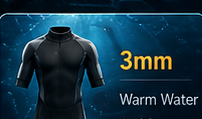
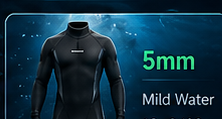
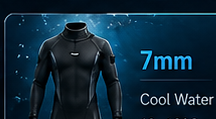
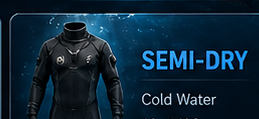
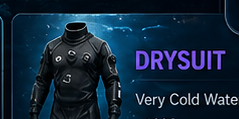
This scuba exposure protection planner helps divers choose a practical starting point for wetsuits, semi-dry suits and drysuits. It adjusts the recommendation using water temperature, depth, dive type, repetitive dives, accessories and personal cold tolerance, giving a more realistic “feels like” dive temperature than a simple wetsuit chart.
Use the result as a planning guide, then adjust for your own comfort, the local dive centre’s advice, dive duration, surface conditions and how cold you normally feel underwater.
More Than a Wetsuit Thickness Chart
Most wetsuit charts only compare water temperature with neoprene thickness. That is useful, but scuba diving is more complex. A diver on a shallow tropical reef may feel very different from a diver doing a deeper offshore drift dive, even when the water temperature looks similar on paper.
This planner uses a more scuba-focused approach. It considers how depth, repetitive dives, current, accessories and personal cold tolerance can change the way a dive feels. The result is not just a wetsuit thickness number, but a practical exposure protection recommendation.
Feels Like Dive Temperature
The planner adjusts the actual water temperature to reflect real dive conditions, helping you plan for how cold the dive may feel underwater.
Depth Aware
Neoprene compresses at depth, which can reduce insulation and buoyancy. Deeper dives may require warmer exposure protection.
Personalised Comfort
Cold tolerance matters. Some divers are comfortable in a thinner wetsuit, while others need a hooded vest, 7mm suit, semi-dry or drysuit.
Choosing Between a 3mm, 5mm, 7mm, Semi-Dry Suit or Drysuit
The right exposure suit depends on more than the number printed on a wetsuit label. Water temperature is the starting point, but dive depth, current, repetitive dives and your own cold tolerance can push you toward a warmer option.
3mm Wetsuit
A 3mm wetsuit or shorty is usually suited to warm-water diving. It gives light insulation, sun protection and some protection from minor stings or abrasions without adding too much buoyancy.
5mm Wetsuit
A 5mm full wetsuit is a strong all-round choice for many scuba dives in mild water. It is often a good starting point for places like Protea Banks, where depth, current and surface conditions can make dives feel cooler.
7mm Wetsuit
A 7mm wetsuit gives more insulation for cooler water, deeper dives or divers who feel cold easily. It is warmer, but it also adds buoyancy and may require more lead weight.
Semi-Dry Suit
A semi-dry suit reduces water movement through the suit using better seals and zips. It can be a good option when a normal wetsuit is no longer warm enough, but a drysuit is not essential.
Drysuit
A drysuit is usually the better choice for very cold water, long cold dives or serious cold-water diving. Drysuits require correct training, undergarments and weighting because they add another air space to manage.
Accessories Matter
Boots, gloves, a hood or a hooded vest can make a major difference. A diver in a 5mm wetsuit with a hooded vest may be warmer than another diver in a thicker suit with poor seals or no head protection.
Why Some Dives Feel Colder Than the Water Temperature Suggests
A simple water temperature reading does not always tell the full story. Two dives in the same temperature can feel very different depending on depth, current, dive time, surface intervals and how much heat your body loses between dives.
Neoprene Compresses at Depth
Wetsuits insulate because neoprene contains tiny gas bubbles. As you descend, pressure compresses those bubbles. This can reduce insulation and buoyancy, which is why deeper dives can feel colder than shallow dives.
Current Increases Heat Loss
Drift dives and current can move water across the suit more quickly, especially if the suit fit is loose. More water movement can reduce warmth and make a dive feel colder than expected.
Second Dives Often Feel Colder
Repetitive dives can feel colder because your body may not fully warm up between dives. Wind, wet gear and long boat rides can make the second or third dive of the day feel noticeably cooler.
This is why the planner uses a “feels like dive temperature” rather than relying only on the actual water temperature. It gives a more practical starting point for choosing between a 3mm, 5mm, 7mm, semi-dry suit or drysuit.
Exposure Suit Choice Affects Your Dive Weighting
The thicker your exposure suit, the more buoyancy it usually adds. A thin 3mm wetsuit needs less lead than a 7mm wetsuit, semi-dry suit or drysuit. This is one reason divers should not treat wetsuit choice and weighting as separate decisions.
As neoprene compresses at depth, a wetsuit can lose buoyancy during descent and regain buoyancy during ascent. This is why correct weighting, buoyancy control and a proper buddy check are important whenever you change suit thickness.
Next Step: Check Your Starting Weight
Once you have chosen your likely exposure suit, use the scuba weight calculator to estimate a sensible starting point for lead weight. This is especially useful when changing from a 3mm to a 5mm, moving into a 7mm suit, or trying a semi-dry suit or drysuit for the first time.
Plan the Rest of Your Dive
Exposure protection is only one part of good dive planning. Once you have chosen your likely wetsuit, semi-dry suit or drysuit, use the related scuba tools and Protea Banks guides below to continue planning your dive.
Scuba Diving Weight Calculator
Estimate your starting lead weight after choosing your exposure suit.
Surface Interval Calculator
Plan repetitive dives and understand why second dives can feel colder.
SAC / RMV Calculator
Estimate breathing rate and improve dive planning for deeper or longer dives.
Free Scuba Diving Tools
Explore more calculators and planning tools for safer, smarter diving.
Protea Banks Shark Diving Calendar
Match your dive season with likely shark and ray encounters at Protea Banks.
Protea Banks Sharks in 3D & AR
Explore interactive 3D sharks and learn more before your dive.
Scuba Exposure Suit FAQ
What wetsuit thickness do I need for scuba diving?
The right wetsuit thickness depends mainly on water temperature, but also on depth, dive duration, current, repetitive dives and personal cold tolerance. Warm tropical water may only need a 3mm suit, while mild water often suits a 5mm, cooler water may need a 7mm, and cold water may require a semi-dry suit or drysuit.
Is a 5mm wetsuit enough for Protea Banks?
For many divers, a 5mm full wetsuit is a sensible starting point for Protea Banks, especially when water temperatures are around 20–24°C. However, deeper reef dives, current, wind, repetitive dives and personal cold tolerance may make a 5mm with hooded vest or a 7mm more comfortable.
When should I choose a 7mm wetsuit instead of a 5mm?
Choose a 7mm wetsuit when the water is cooler, when you feel cold easily, when the dive is deeper or longer, or when you are doing multiple dives in one day. A 7mm suit gives more warmth, but it also adds buoyancy and may require more lead weight.
What is the difference between a wetsuit and a semi-dry suit?
A wetsuit allows a thin layer of water to enter and be warmed by the body. A semi-dry suit is still not completely dry, but it has better seals and zips to reduce water movement through the suit. This can make it warmer than a standard wetsuit in colder conditions.
When do I need a drysuit for scuba diving?
A drysuit is usually recommended for very cold water, long cold dives, repeated cold-water dives or when a thick wetsuit is no longer enough. Drysuits require correct training because the diver must manage an additional air space, undergarments and different weighting.
Why do deeper dives feel colder?
Deeper dives can feel colder because pressure compresses neoprene. When neoprene compresses, it loses some insulation and buoyancy. This is why a suit that feels warm at the surface may feel less warm at depth.
Do thicker wetsuits need more weight?
Yes. Thicker wetsuits, semi-dry suits and drysuits usually add more buoyancy, so divers often need more lead weight. If you change from a 3mm to a 5mm, or from a 5mm to a 7mm, you should re-check your weighting before diving.